The Art of Setting Boundaries: Why Your Limits Are the Foundation of Healthy Relationships
I used to say yes to everything. Every invitation. Every request. Every demand on my time and energy. I thought that’s what good people did. I thought saying no made me selfish. I thought being available meant being valuable.
I was wrong.
The short answer to whether boundaries matter is this: they’re not optional. They’re not a luxury. They’re the foundation of every healthy relationship you’ll ever have. Without them, you lose yourself. With them, you become someone others can actually trust—because they know where you stand.
The Cost of Having No Boundaries
When you don’t have boundaries, you pay a price. Not immediately. Slowly. Over time. The price shows up as exhaustion, as resentment, as the quiet feeling that you’re being used.
The problem isn’t that people are taking advantage of you. The problem is that you’re not stopping them. You’re not setting limits. You’re not protecting your own resources.
This shows up in every area of life. At work, you take on projects you don’t have time for. In relationships, you accept behavior that diminishes you. With friends, you give more than you receive. And you tell yourself it’s okay. You tell yourself you’re being generous. But generosity without boundaries isn’t generosity. It’s depletion.
The research on this is consistent. People who have weak boundaries report higher levels of stress, burnout, and resentment. They’re more likely to feel taken advantage of. They’re more likely to experience depression and anxiety. Not because they’re weak. Because they’ve been giving without limits for too long.
What Boundaries Actually Are
Boundaries are not walls. They’re not about keeping people out. They’re about defining where you end and someone else begins. They’re about knowing what’s yours and what’s not. They’re about protecting your resources so you can show up fully for what matters.
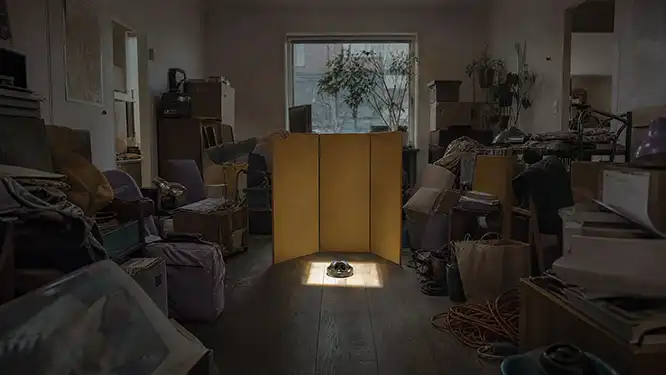
Think of boundaries like the property line of a house. The property line doesn’t mean you hate your neighbors. It means you have a right to your own space. It means you get to decide who enters and under what conditions. It means you’re not responsible for what happens on their side of the line.
The same applies to personal boundaries. You have a right to your time, your energy, your emotions, your body, your money. You have a right to decide how these are used. And you have a responsibility to communicate those decisions clearly.
Why Setting Boundaries Feels So Hard
Most people struggle with boundaries not because they don’t want them, but because they’re afraid of the consequences. They’re afraid of conflict. They’re afraid of disappointing people. They’re afraid of being seen as selfish. They’re afraid of losing relationships.
These fears are real. They’re not imaginary. When you set a boundary, some people will react negatively. They’ll push back. They’ll try to make you feel guilty. They’ll accuse you of being difficult or uncaring.
But here’s the truth: the people who react negatively to your boundaries are the ones who benefit from you having none. Their reaction is not a sign that you’re wrong. It’s a sign that you’re right. It’s a sign that the boundary was needed.
The therapist Brené Brown has written extensively about this. She says that boundaries are the key to compassion. Without boundaries, you can’t be compassionate. You can’t show up for others because you’re too depleted. You can’t give generously because you have nothing left.
A Question to Sit With
Who in your life benefits from you having no boundaries? Who would react negatively if you started saying no? What does that tell you about that relationship?
The Different Types of Boundaries
Boundaries aren’t all the same. They show up in different areas of life, and understanding the different types can help you identify where you might need to strengthen yours.
Physical boundaries. These are about your body and personal space. Who can touch you? Under what conditions? Do you have a right to say no to physical contact? The answer is always yes.
Emotional boundaries. These are about your feelings and emotional energy. You’re not responsible for managing other people’s emotions. You’re not obligated to absorb their stress or carry their burdens. You can care without taking on.
Time boundaries. These are about how you spend your time. You have a right to decide what’s important to you. You don’t have to be available to everyone all the time. You can say no to things that don’t align with your priorities.
Financial boundaries. These are about your money. Who has access to it? Under what conditions? You don’t have to fund other people’s choices. You can help without being taken advantage of.
Intellectual boundaries. These are about your ideas and opinions. You don’t have to agree with everyone. You don’t have to accept other people’s beliefs as your own. You can hold your own perspective while respecting theirs.
Sexual boundaries. These are about consent and comfort. You have a right to say no to any sexual activity, at any time. You don’t have to explain or justify your boundaries.
The Three Types of Boundary Styles
Not all boundaries are healthy. Some are too rigid. Some are too porous. The goal is to find the middle ground.
Rigid boundaries. People with rigid boundaries keep everyone at a distance. They don’t ask for help. They don’t share personal information. They don’t let anyone in. This looks like strength, but it’s actually fear. It’s a way of avoiding vulnerability.
Porous boundaries. People with porous boundaries let everyone in. They overshare. They say yes when they want to say no. They take on other people’s problems as their own. This looks like generosity, but it’s actually a lack of self-protection.
Healthy boundaries. People with healthy boundaries know where they end and others begin. They share appropriately. They say no when they need to. They protect their own resources without shutting others out. They’re connected without being consumed.
The goal is to move toward healthy boundaries. Not to become rigid. Not to become porous. To find the balance that allows you to connect without losing yourself.
What Research Says About Boundaries
Studies on relationship satisfaction consistently show that boundaries are one of the strongest predictors of healthy relationships. Couples who can articulate and respect each other’s boundaries report higher levels of trust, intimacy, and satisfaction.
The same is true in workplace settings. Employees who have clear boundaries around their time and energy report less burnout, higher engagement, and better job satisfaction. Not because they’re working less. Because they’re working more effectively.
The research also shows that boundaries are linked to self-esteem. People who set and maintain boundaries have higher self-worth. They’re not dependent on external validation. They know what they need and they’re not afraid to ask for it.
A Practical Exercise to Try
Take a moment to think about a relationship where you feel drained. Not angry. Not upset. Just drained. After you spend time with this person, you feel tired. Depleted. Like you’ve given something away.
Now ask yourself: where are the boundaries in this relationship? Are you giving more than you’re receiving? Are you saying yes when you want to say no? Are you taking on responsibility for things that aren’t yours?
The next time you interact with this person, try setting one small boundary. It doesn’t have to be a confrontation. It can be as simple as saying, “I can’t talk right now, but I’ll get back to you tomorrow.” Or, “I’m not available to help with that, but I hope you find someone.” Or, “I need to take a break from this conversation.”
The reaction will tell you something important. If they respect the boundary, you know the relationship is healthy. If they push back, you know the boundary was needed.
What People Often Ask About Boundaries
Doesn’t setting boundaries make me selfish?
No. Boundaries are the opposite of selfishness. They allow you to give from a place of abundance rather than depletion. When you have boundaries, you can show up fully for the people who matter. Without boundaries, you’re showing up half-empty.
What if people get angry when I set a boundary?
That’s their reaction, not your problem. You can’t control how people respond to your boundaries. You can only control what you communicate. People who are used to you having no boundaries will often react negatively when you start setting them. That’s a sign that the boundaries are working.
What if I don’t know what my boundaries are?
That’s okay. You can learn. Pay attention to what feels uncomfortable. Notice when you feel resentful. Notice when you feel taken advantage of. These are signals that a boundary is being crossed. The discomfort is a teacher.
Can boundaries change over time?
Absolutely. Boundaries aren’t fixed. They evolve as you evolve. What felt right five years ago might not feel right now. What works in one relationship might not work in another. The key is staying aware and adjusting as needed.
One Thing Before You Go
Boundaries are not about controlling others. They’re about protecting yourself. They’re not about being difficult. They’re about being clear. They’re not about pushing people away. They’re about making it possible to stay connected without being consumed.
The people who love you will respect your boundaries. Not because they always agree with them. Because they want you to be whole. Because they understand that your limits aren’t a rejection of them—they’re a commitment to yourself.
And if someone can’t respect your boundaries, that’s not a sign that you’ve done something wrong. It’s a sign that they’re not able to honor the limits you need. That’s not your failure. That’s information.
A Final Reflection
I spent years thinking I was being generous when I was actually being self-destructive. I thought saying yes to everything made me a good person. I thought being available all the time made me valuable. I thought having no limits made me lovable.
I was wrong.
Boundaries didn’t make me less generous. They made me more generous. Because I was giving from a place of choice, not obligation. They made me more valuable. Because I was showing up fully instead of half-empty. They made me more lovable. Because I was being myself instead of performing for approval.
You don’t lose yourself when you set boundaries. You find yourself. You protect yourself. You honor yourself.
And from that place of wholeness, you can actually give. To others. To yourself. To the world. Not because you have to. Because you want to.