The Unspoken Truth About Trauma: How to Recognize It and What Actually Helps
There’s a moment that changes everything. You can’t always name it when it happens. Sometimes it’s loud and obvious—an accident, an attack, a sudden loss. Sometimes it’s quiet and cumulative—years of neglect, constant criticism, the slow erosion of safety.
But something shifts. The world feels different. You feel different. You’re not sure when it started or how to describe it. But you know something is off.
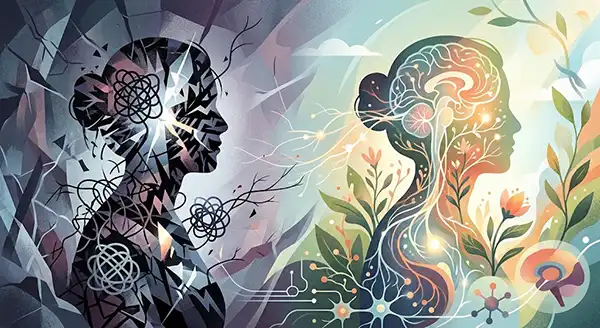
The short answer to what trauma is and how to deal with it is this: trauma is not what happens to you. It’s what happens inside you as a result of what happens to you. It’s the disconnection from yourself that occurs when reality becomes too much to bear. And healing begins when you reconnect.
What Trauma Really Is
There’s a common misconception that trauma is only caused by extreme events. War. Assault. Natural disasters. Life-threatening accidents. These are certainly traumatic. But they’re not the only things that cause trauma.
Trauma can also result from experiences that are less dramatic but still overwhelming. Emotional neglect. Chronic criticism. Growing up in an unpredictable environment. Being bullied. Experiencing discrimination. Losing a loved one. Going through a divorce. Even witnessing someone else’s suffering.
The key factor is not the event itself. It’s how your nervous system responds to it. If you feel overwhelmed, helpless, and unable to cope, your system can become dysregulated. That dysregulation can persist long after the event is over. That’s trauma.
Dr. Gabor Maté, a physician and trauma expert, describes trauma as the wound that happens when you’re disconnected from yourself. It’s not the event. It’s the disconnection. The event triggered it. But the trauma is the disconnection.
This is why two people can experience the same event and have completely different responses. One might be deeply traumatized. The other might move on relatively quickly. The difference is not about strength or weakness. It’s about how their nervous system processed the experience.
Why Trauma Lingers
When you experience something overwhelming, your nervous system goes into survival mode. It’s designed to protect you. But sometimes it gets stuck. It stays in survival mode long after the threat has passed.
This is why people with trauma often feel like they’re still in danger, even when they’re safe. Their nervous system is still scanning for threats. Still preparing for the worst. Still responding to triggers as if the original event is happening again.
Dr. Bessel van der Kolk, author of “The Body Keeps the Score,” has shown that trauma is stored in the body. It’s not just a memory. It’s a physical state. Your body holds the experience even when your mind tries to forget.
This is why talk therapy alone is often not enough to heal trauma. You need to address the body as well. You need to help your nervous system learn that it’s safe now. You need to reconnect with the parts of yourself that you’ve been disconnected from.
The Disconnection That Defines Trauma
One of the most painful aspects of trauma is the disconnection it creates. You may feel disconnected from your body. You may feel disconnected from your emotions. You may feel disconnected from other people. You may feel disconnected from yourself.
This disconnection is a survival mechanism. When the reality you’re facing is too painful to bear, your mind protects you by creating distance. You become numb. You detach. You stop feeling what you’re feeling because it’s too much.
But this protection comes at a cost. When you disconnect from your pain, you also disconnect from your joy. When you numb the hard feelings, you also numb the good ones. When you stop trusting yourself, you stop trusting anything.
Healing begins when you start to reconnect. Slowly. Gently. At your own pace. Not by forcing yourself to feel everything at once. But by creating small moments of safety. By allowing yourself to notice what you’re feeling without judgment. By learning to trust yourself again.
A Question to Sit With
What if the disconnection you feel is not a sign that you’re broken? What if it’s a sign that you’ve survived something hard? What if it’s the part of you that protected you when you needed protection—and now it’s time to thank it and let it rest?
The Cost of Unprocessed Trauma
Unprocessed trauma doesn’t just affect your mental health. It affects everything. It affects your relationships, your work, your physical health, your sense of self.
People with unprocessed trauma often have difficulty trusting others. They may push people away before they can be rejected. They may stay in relationships that are unhealthy because they don’t believe they deserve better. They may avoid intimacy because it feels unsafe.
At work, they may struggle with authority figures. They may have difficulty concentrating. They may be hypervigilant, always waiting for something to go wrong. They may burn out because they never allow themselves to rest.
Physically, trauma is linked to a range of health issues. Chronic pain. Digestive problems. Sleep disorders. Autoimmune conditions. The body holds what the mind tries to forget.
Emotionally, unprocessed trauma can manifest as depression, anxiety, anger, shame, and guilt. It can make you feel like you’re defective. Like you’re broken. Like something is fundamentally wrong with you.
But you’re not broken. You’re hurt. And hurt can heal.
The Path to Healing
Healing from trauma is not linear. It’s not quick. It’s not easy. But it is possible. And it starts with small steps.
Movement. Trauma lives in the body. So healing must involve the body. Movement helps release the stuck energy that trauma creates. Walking, running, dancing, yoga, stretching—any form of movement that feels safe and manageable. The goal is not to push yourself. It’s to reconnect with your body on your own terms.
The research on this is clear. Exercise reduces symptoms of anxiety and depression. It regulates the nervous system. It releases endorphins, which are natural mood elevators. Movement is medicine.
Mindfulness. Mindfulness is the practice of paying attention to the present moment without judgment. It’s not about emptying your mind. It’s about noticing what’s happening right now. Your thoughts. Your feelings. Your physical sensations.
For people with trauma, mindfulness can be challenging. Being present in your body can feel unsafe. That’s why it’s important to start slowly. Just a few minutes at a time. Just noticing your breath. Just feeling your feet on the ground. Just allowing yourself to be where you are.
Connection. Trauma isolates. Healing requires connection. Reconnecting with others can be hard, especially if trust has been broken. But even small acts of connection matter. A phone call with a friend. A walk with a family member. A conversation with someone who listens without judgment.
You don’t have to talk about the trauma. You just have to be with people who make you feel safe. Connection in itself is healing.
Purpose. Helping others can be a powerful antidote to helplessness. When you’ve been traumatized, you may feel powerless. Helping someone else restores a sense of agency. It reminds you that you have something to offer. That you matter.
Volunteering. Supporting a friend. Listening to someone else’s struggle. These acts of kindness are not just for others. They’re for you too. They reconnect you to your own humanity.
Nervous system regulation. Your nervous system has been stuck in survival mode. You can help it shift. Deep breathing. Soothing music. Warm baths. Aromatherapy. Anything that signals safety to your nervous system.
The goal is to signal to your body that the threat has passed. That it’s safe to relax. That it’s safe to be here now. It takes time. But it’s possible.
What People Often Ask About Trauma
How do I know if I have trauma?
If you’re asking the question, it’s worth exploring. You might have trauma if you experience persistent feelings of fear, anxiety, or numbness. If you have trouble sleeping or concentrating. If you avoid situations that remind you of a past event. If you feel disconnected from yourself or others. If you have unexplained physical symptoms. These are not guarantees, but they are signs.
Can trauma heal on its own?
Sometimes, with time and support, symptoms can resolve. But often, trauma requires intentional intervention. It’s not a sign of weakness to seek help. It’s a sign of strength. It’s a sign that you’re committed to your own healing.
Is it too late to heal?
It’s never too late. The brain is plastic. It can change. The body can heal. People heal from trauma at all ages. It might take time. It might be hard. But it’s possible.
What if I don’t remember the trauma?
Memory is complex. Some people have clear memories of traumatic events. Others have fragments. Others have no memory at all. The body remembers, even if the mind doesn’t. Healing doesn’t require you to remember everything. It requires you to address what’s happening now.
When to Seek Professional Help
If your symptoms are interfering with your daily life, it’s time to seek professional help. If you’re struggling at work or home. If you’re experiencing severe fear, anxiety, or depression. If you’re using substances to cope. If you’re having thoughts of self-harm. Please reach out.
Finding the right therapist is important. Look for someone with experience in trauma. But also look for someone you trust. Someone who makes you feel safe. Someone who listens without judgment. The relationship is as important as the training.
A Final Reflection on This Journey
Trauma is not a life sentence. It’s a wound that can heal. It doesn’t mean you’re broken. It doesn’t mean you’re weak. It doesn’t mean you’re alone.
Healing is a process. It’s not linear. There will be setbacks. There will be hard days. But there will also be progress. There will be moments of relief. There will be moments of connection. There will be moments when you recognize yourself again.
You are not what happened to you. You are what you choose to become. And you have the capacity to heal. Not because the pain disappears. Because you integrate it. You make it part of your story without letting it define you.
You are still here. You are still capable of joy. You are still capable of love. You are still capable of being fully alive. And that’s not nothing. That’s everything.