Why You Can’t Say No: The Psychology of People-Pleasing and Healthy Boundaries

Why You Can't Say No: The Psychology of People-Pleasing and Healthy Boundaries

The Cost of Betraying Yourself: Boundaries, Fawning, and the Neurobiology of Self-Love There is a quiet, recurring tragedy in modern adult life. It happens when you agree to attend an event you have no energy for, take on a project that exceeds your capacity, or remain in a relationship that drains your vital resources—all because … Read more
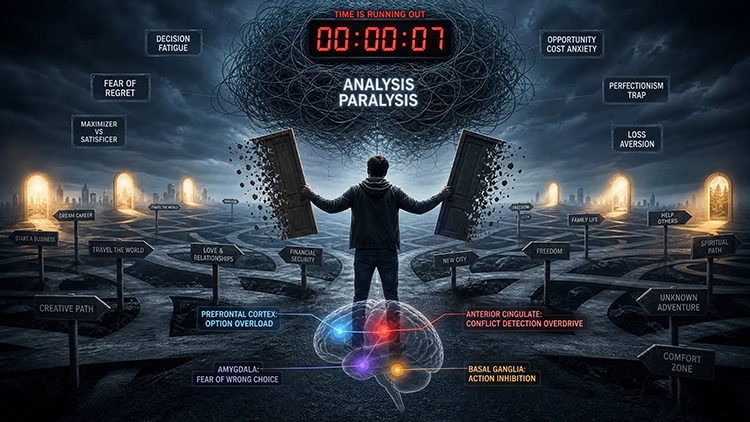
Why Am I So Indecisive? The Psychology Behind Overthinking Every Decision

Why Am I So Indecisive? The Psychology Behind Overthinking Every Decision

The Paradox of Choice: Why Indecision Is a Defense Mechanism (and How to Break Paralysis) Almost everyone has found themselves completely paralyzed by a trivial decision—staring blankly at a streaming menu for forty minutes, endlessly comparing two nearly identical menu items, or delaying a minor purchase until the opportunity quietly slips away. In psychology and … Read more

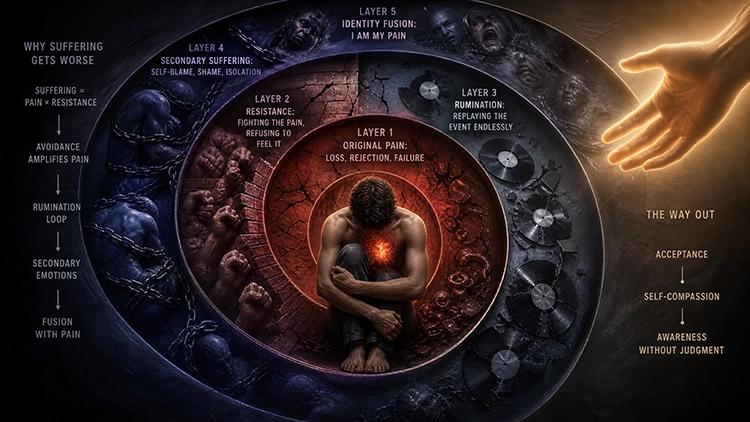
How to Deal With Emotional Pain: The Psychology of Why Suffering Gets Worse

The Anatomy of Suffering: Why Resisting Emotional Pain Turns Hurt into SufferingEvery human life is eventually disrupted by acute pain. A sudden bereavement, the quiet dissolution of a relationship, a severe medical diagnosis, or chronic financial strain—these events arrive without warning and dismantle our assumptions about security and predictability.When deep sadness or loss strikes, our default psychological reflex is resistance. We attempt to push the feeling away, intellectualize it, predict its future trajectory, or drown it out with relentless distraction. Yet clinical psychology and cognitive neuroscience reveal a counterintuitive truth: the energy spent trying to avoid emotional pain is precisely what transforms temporary hurt into long-term psychological suffering.To navigate profound grief and sadness without breaking, we must understand the precise mechanism of emotional pain—and how changing our relationship to internal discomfort alters our brain's physical response to it.Pain Versus Suffering: The Alchemical EquationIn cognitive behavioral therapies and contemplative science, a crucial distinction exists between pain and suffering.Primary Pain: The raw, unavoidable visceral and emotional impact of a difficult event (loss, rejection, physical injury).Secondary Suffering: The psychological narrative, panic, future projection, and self-judgment generated by the brain in response to the primary pain. [ Unavoidable Life Event ] │ ▼ [ PRIMARY PAIN ] (Raw Emotion / Bodily Sensation) │ ├──► Strategy A: RESISTANCE & RUMINATION │ │ │ ▼ │ [ Amplified Threat Signal ] │ │ │ ▼ │ [ SECONDARY SUFFERING ] (Prolonged Distress) │ └──► Strategy B: SOMATIC PRESENCE (Mindfulness) │ ▼ [ Vagal De-escalation ] │ ▼ [ NATURAL EMOTIONAL PROCESSING ] This relationship is encapsulated in the foundational psychological framework:$$\text{Suffering} = \text{Pain} \times \text{Resistance}$$When Resistance is zero—meaning an individual fully acknowledges the reality of the primary pain without judgment or panic—suffering scales down to the baseline level of the pain itself. However, when resistance is high, even moderate emotional discomfort is multiplied into chronic existential distress.The Neural Loop of Emotional AvoidanceWhy does resisting pain make it worse? The answer lies in how the brain processes emotional threats.When you experience sadness, the amygdala signals distress. If your conscious mind reacts to this internal feeling with fear ("I can't handle this," "This will destroy me," "Why is this happening to me?"), the brain interprets your own emotional state as an external danger.┌────────────────────────────────────────────────────────────────────────┐ │ THE SECONDARY THREAT RECURSION │ ├────────────────────────────────────────────────────────────────────────┤ │ 1. Initial Pain Signal ──► Amygdala Activation │ │ 2. Resistance Narrative ──► Prefrontal Threat Interpretation │ │ 3. Secondary Alarm ──► Sympathetic Nervous System Triggered │ │ 4. Amplified Distress ──► Increased Amygdala Reactivity │ └────────────────────────────────────────────────────────────────────────┘ This creates a recursive feedback loop: you become anxious about your sadness, or enraged by your grief. The brain mobilizes the sympathetic nervous system, flooding your bloodstream with cortisol and adrenaline. What began as a natural, time-limited wave of sadness becomes a prolonged, exhausting state of hyperarousal.Experiential Avoidance: The phenomenon that occurs when a person is unwilling to remain in contact with particular private experiences (bodily sensations, emotions, thoughts) and takes steps to alter the form or frequency of these events, paradoxically increasing their long-term intensity.Temporal Catastrophizing: The Fear of the Unseen FutureWhen we encounter acute loss, the conscious mind rarely stays in the present moment. Instead, it engages in temporal catastrophizing—projecting current distress infinitely into the future.The mind asks: "How will I survive next month? How will I bear this five years from now? Will I ever feel happy again?" Current Moment Pain (Manageable) + Projected Infinite Future (Overwhelming) ────────────────────────────────────────────────────────────────────────────── = Acute Panic & Structural Paralysis The human nervous system is designed to process the physiological burden of right now. It is completely unequipped to carry the weight of ten years of anticipated grief simultaneously.The Present-Moment AnchorWhen emotional overwhelm hits, shifting the cognitive perspective from global future projections to micro-present realities alters the brain's threat assessment:Global / Future Focus (Panicking): "I will never recover from this loss."Micro-Present Focus (Grounded): "Can I sit in this chair and take the next breath right now?"Asking "Is the physical sensation in my body tolerable for the next 30 seconds?" shifts neurological processing from the narrative-focused Default Mode Network (DMN) to the sensory-focused Insula and Somatosensory Cortex, immediately lowering panic levels.De-Escalating Emotional Shock: Somatic Circuit BreakersWhen pain reaches an acute peak—causing physical tightness, shallow breathing, or hyperventilation—cognitive reasoning becomes temporarily ineffective. The executive centers of the prefrontal cortex are offline. Balance must be restored using bottom-up somatic interventions:┌─────────────────────────────────────────────────────────────────────────┐ │ SOMATIC DE-ESCALATION PROTOCOL │ ├──────────────────────────┬──────────────────────────────────────────────┤ │ 1. Rhythmic Exhalation │ Lengthen exhales (e.g., 4s in, 8s out) │ │ │ to engage the parasympathetic vagal brake. │ ├──────────────────────────┼──────────────────────────────────────────────┤ │ 2. Somatic Anchoring │ Place a warm hand on the center of the chest │ │ │ or arms to trigger endogenous oxytocin. │ ├──────────────────────────┼──────────────────────────────────────────────┤ │ 3. Peripheral Expansion │ Soften focus to include wide visual fields, │ │ │ disengaging panic-induced tunnel vision. │ └──────────────────────────┴──────────────────────────────────────────────┘ 1. Parasympathetic Vagal EngagementThe fastest physiological method to signal safety to the brainstem during emotional shock is controlled exhalation. Lengthening the exhale relative to the inhale lowers the heart rate via the vagal nerve, counteracting the sympathetic freeze-or-flight response.2. Self-Soothing Touch and OxytocinTactile pressure on the chest or upper arms stimulates cutaneous mechanoreceptors, sending signals to the insular cortex that mimic safe social proximity. This subtle touch prompts a minor release of oxytocin, mitigating the neurochemical impact of isolation.Attention Shifting vs. Emotional SuppressionThere is a critical distinction between healthy attentional restoration and toxic emotional suppression. [ EMOTIONAL PAIN ARRISES ] │ ┌──────────────────────────┴──────────────────────────┐ ▼ ▼ [ TOXIC SUPPRESSION ] [ HEALTHY RESTORATION ] • Denial of emotion • Acknowledges pain first • Panic-driven distraction • Conscious, intentional break • Goal: Destroy the feeling • Goal: Give nervous system rest │ │ ▼ ▼ [ Chronic Tension & Rebound ] [ Autonomic Recalibration ] Suppression says: "I must not feel this. I am going to binge-watch television or work continuously so this emotion vanishes." The feeling remains trapped in the body, driving background anxiety.Restoration says: "I acknowledge that I am deeply sad right now. I have sat with this feeling for twenty minutes. Now, I am going to listen to music or walk in nature to give my nervous system a temporary rest before returning to process it."Intentional breaks do not deny pain; they prevent allostatic overload, allowing working memory and nervous system reserves to regenerate.Transforming Pain into Psychological FlexibilityGrief, sadness, and pain are not signs of a broken mind; they are indicators of an intact human capacity to value, connect, and care. The goal of psychological processing is not to become immune to suffering, but to develop psychological flexibility—the capacity to remain present with uncomfortable internal sensations while living aligned with one's core values.By ceasing the war against your own internal states, dropping the narrative of future panic, and utilizing somatic tools to anchor yourself in the present, pain ceases to be a destructive vortex. It becomes what it was always evolutionarily designed to be: a temporary, passing wave in the vast geography of the human mind.

The Anatomy of Suffering: Why Resisting Emotional Pain Turns Hurt into Suffering Every human life is eventually disrupted by acute pain. A sudden bereavement, the quiet dissolution of a relationship, a severe medical diagnosis, or chronic financial strain—these events arrive without warning and dismantle our assumptions about security and predictability. When deep sadness or loss … Read more

Why You’re Always Stressed: What Polyvagal Theory Reveals About Your Nervous System

Why You're Always Stressed: What Polyvagal Theory Reveals About Your Nervous System

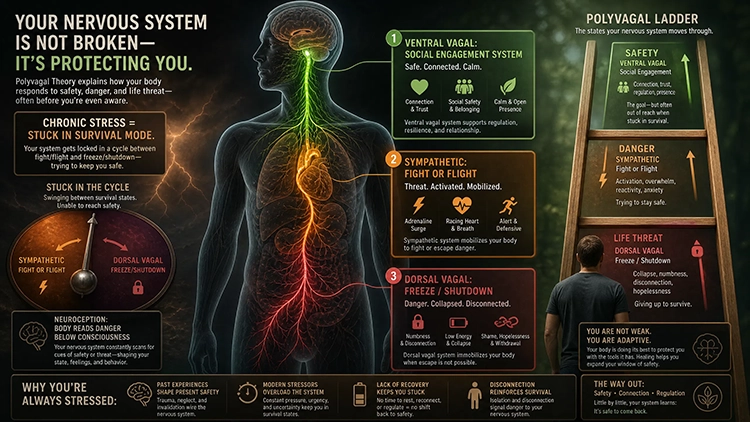
The Evolutionary Architecture of Stress: How Polyvagal Theory Explains Modern Burnout Every afternoon in modern corporate spaces, an ancient survival script unfolds silently. A tight project deadline arrives, an unexpected email pops up from an executive, or a tense meeting begins. Physically, there is no predator in the room. There is no immediate threat to … Read more

Why Crowds Make You Feel Drained (The Science of Emotional Contagion)

Why Crowds Make You Feel Drained (The Science of Emotional Contagion)

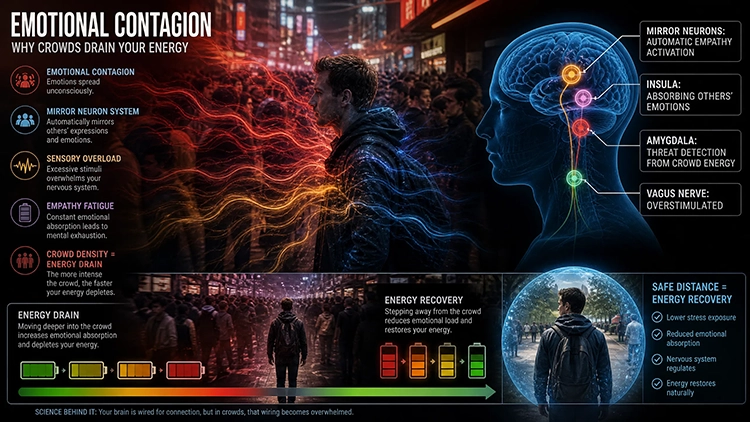
The Crowded Mind: Why We Absorb Other People’s Anxiety (and the Real Science of Grounding) Have you ever stepped into a crowded room, a busy shopping center, or turned on the evening news, only to feel an abrupt, inexplicable sense of heaviness settling into your chest? It is a remarkably common human experience: you enter … Read more

Why You Can’t Stop Overthinking (The Observer Effect of the Mind)

Why You Can't Stop Overthinking (The Observer Effect of the Mind)

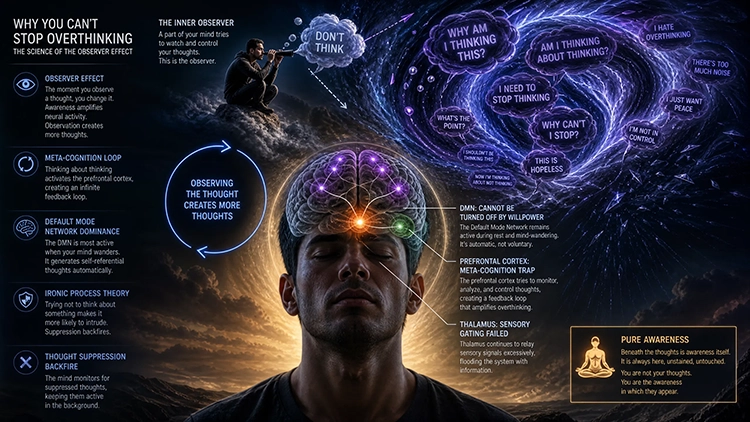
The Observer’s Dilemma: Why Attempting to Fix Your Mind Keeps You Trapped Inside It Every day, millions of people lie awake at 3:00 AM attempting to solve the equation of their own internal distress. They dissect their anxiety, analyze their grief, or trace the root of a lingering panic attack back to its origin. They … Read more

Mantra Meditation: The Neuroscience of How Repeating Sacred Sounds Rewires Your Brain

Mantra Meditation: The Neuroscience of How Repeating Sacred Sounds Rewires Your Brain

The Acoustic Neural Anchor: Mantras, Attentional Entrainment, and the Neurobiology of Auditory Repetition When individuals first attempt meditation, they frequently encounter an immediate, unsettling physical resistance. The instruction seems simple enough: sit still, close your eyes, and focus on nothing or quietly observe the breath. Yet within moments, the physical body responds with phantom itches, … Read more

Why Working Harder Makes You Less Productive (The Neuroscience of Strategic Rest)

Why Working Harder Makes You Less Productive (The Neuroscience of Strategic Rest)

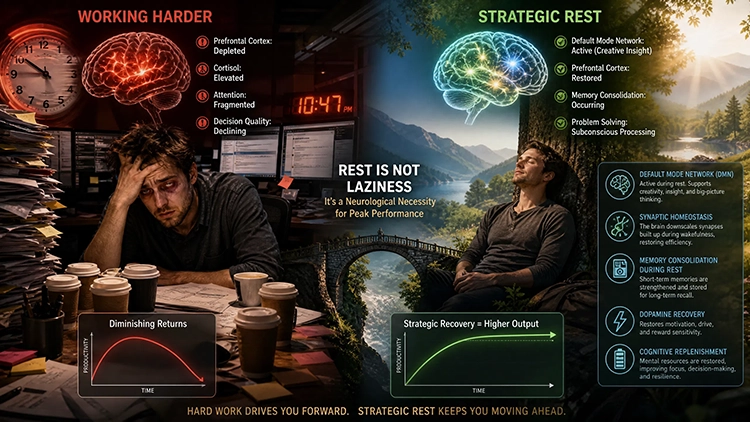
The Productivity Fallacy: Strategic Cessation, Cognitive Recalibration, and the Mechanics of the Sharpened Edge At the conclusion of a period of sustained exertion, a subtle discomfort often surfaces. It is not physical fatigue, but an existential restlessness: the impulse to resume output. When presented with unstructured time, the modern mind experiences a subtle cognitive friction. … Read more

Digital Dementia: How Your Smartphone Is Quietly Destroying Your Memory and Focus

Digital Dementia: How Your Smartphone Is Quietly Destroying Your Memory and Focus

The Cognitive Externalization Debt: How Digital Offloading Restructures Human Memory and Attention You likely know the feeling: you sit down to read a single chapter of a book or analyze a dense document, but within three minutes, an invisible tension pulls at your attention. Your mind feels strangely restless, as if waiting for a notification … Read more

Why You Hate Your Job (And Why It’s So Hard to Quit): The Neuroscience of Workplace Burnout

Why You Hate Your Job (And Why It's So Hard to Quit): The Neuroscience of Workplace Burnout

The Occupational Entrapment Paradox: Neurobiology, Identity, and the Hidden Price of Workplace Alienation Every morning, millions of professionals step into environments that quietly erode their sense of vitality. They do not merely dislike their schedules or harbor minor grievances against corporate policy; they experience a profound, visceral resistance to their daily labor—a psychological state colloquially … Read more