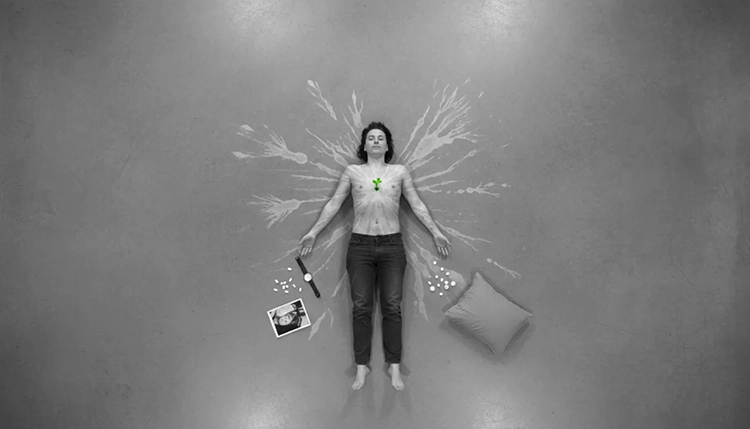
When the Ground Gives Way
We build our lives around the assumption of continuity. We step out of bed expecting the day to obey a familiar logic, trusting that the structures holding our world together will remain intact.
Then, a sudden rupture tears through that certainty. Whether it is a natural disaster, a catastrophic accident, or a sweeping global crisis, a traumatic event does more than inflict immediate damage—it strips away our sense of control and leaves us stranded in a reality that suddenly feels entirely unsafe.
In the wake of such an event, the mind and body respond with an overwhelming cascade of shock, fear, and exhaustion. Unlike post-traumatic stress disorder, which persists long after the danger has passed, acute traumatic stress is an initial, shattering wave. It makes the world feel hostile and fragile, flooding the physical self with inexplicable pain, racing heartbeats, and a heavy, suffocating numbness.
The Weight of the Aftershock
When the nervous system is flooded by crisis, the response is rarely neat or linear.
The symptoms cut across every dimension of human experience. Physically, a person might grapple with sudden cold sweats, chest tightness, or unrelenting exhaustion. Psychologically, the mind vacillates between a numbing detachment from reality and an obsessive loop of reliving the terrifying moments that caused the fracture.
Acute Dissociative Shield: A temporary psychological defense mechanism where the mind detaches from immediate sensory and emotional reality to protect an overwhelmed nervous system from processing too much pain at once.
This shield of numbness or disorientation is the mind’s clumsy way of buying time. Yet, staying trapped behind that shield prevents genuine healing. The challenge lies in learning how to gently re-engage with the present without letting the memory of the crisis swallow you whole.
Navigating the Long Return
Recovery from traumatic stress cannot be rushed. It requires a radical departure from the internal pressure to “get over it” or perform normalcy before the system has stabilized.
- Radical Acceptance of Emotion: Granting yourself permission to feel whatever surfaces—anger, grief, or total emptiness—without labeling those feelings as right or wrong.
- Limiting Secondary Exposure: Intentionally stepping away from repetitive news loops or graphic replays that force a recovering nervous system to relive the shock.
- The Anchoring Power of Routine: Leaning on small, predictable daily actions—cooking a simple meal, walking outside, or maintaining a sleep schedule—to signal safety to a frightened body.
- The Sanctuary of Connection: Spending time with people where you do not have to speak about the trauma at all, allowing normal human warmth to slowly thaw the isolation.
A Quiet Breathing Space
Bring your attention entirely to the physical space you occupy right now. Notice the point of contact where your body rests against whatever supports you, and let out one long, slow sigh. You do not need to figure everything out today; you only need to allow yourself to arrive safely in this single, quiet breath.