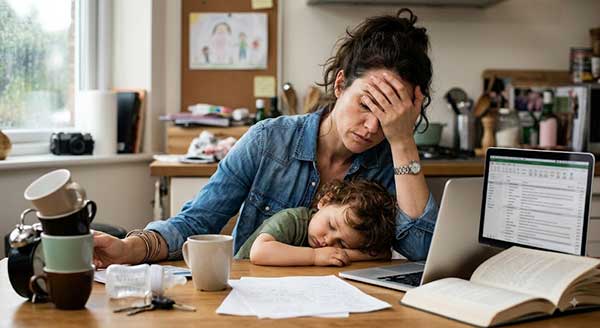
Why You’re Addicted to Being Busy (And What It’s Hiding)
A friend of mine opened her calendar app at coffee last week, took a long, theatrical breath, and showed me a screen that looked like a tetris game on hard mode. Every single hour between 7 AM and 9 PM was blocked out in neon colors. “I literally don’t even have time to breathe,” she sighed.
But if you listened closely, there was a tiny, subtle flex hidden underneath her fatigue.
We have turned exhaustion into our primary status symbol. Like the White Rabbit in Alice in Wonderland, we sprint from one obligation to the next, frantically checking our watches and complaining about how little time we have. We talk endlessly about self-care, mindfulness, and recharge days, yet we treat our calendars like a competitive sport.
The truth is, many of us aren’t just overworked—we are addicted to busyness. We equate a packed schedule with personal value. If every minute of my day is needed by someone else, I must be important. I must be worthy.
Psychologists see right through this. It’s an emotional defense mechanism called Performative Exhaustion. When you keep your mind running at full throttle from dawn until dusk, you never have to sit in a quiet room alone with your thoughts. You don’t have to face the lingering sadness, the existential questions, or the quiet fear that you might not actually like the life you’ve built. Busyness is the ultimate armor against self-reflection.
The Physical Cost of Hustle Culture: What Overworking Does to Your Body
Your body doesn’t care how important your calendar looks; it eventually collects the debt.
Back in 2003, Dr. Suzanne Schweikert published a paper titled “An Hour a Day (May Keep the Doctor Away),” laying out the grim medical invoice of chronic overwork. Schweikert linked our relentless busyness directly to a spike in hypertension, diabetes, obesity, and debilitating insomnia. Beyond the physical toll, her research highlighted how the constant grind drives an epidemic of depression, generalized anxiety, and undiagnosed chronic pain.
We are literally burning the house down just to keep the rooms warm.
Living to Work vs Working to Live: The French Secret to Avoiding Burnout
This toxic relationship with productivity is one of America’s most successful cultural exports, but not every culture buys into the illusion.
You can see this exact friction played out in pop culture. In the series Emily in Paris, Emily—a young American marketing executive—arrives in France proudly wearing her workaholism like a badge of honor. Her French colleague, Luc, looks at her hyper-organized, always-on work ethic with genuine confusion before delivering a classic line: “You Americans live to work. We French work to live.”
It highlights a fundamental split. One culture chooses to be busy with work; the other chooses to be busy with life. One drains your nervous system for an artificial sense of prestige, while the other leaves space for long lunches, real conversation, and time that isn’t monetized or optimized.
How to Reclaim Your Time with Deep Rest
Escaping the busyness trap doesn’t mean throwing your phone into a river or quitting your job to live in the woods. It’s about restoring basic equilibrium. Living without purpose or structure leaves you hollow, but living in a state of constant emergency will destroy your health.
If you want to protect your sanity in an era of non-stop demands, try shifting your daily default settings:
- Protect Unstructured Time: Treat a free hour on your calendar with the exact same fierce respect you would give an important client meeting. Don’t fill it just because it’s empty.
- Practice Deep Rest: True rest isn’t scrolling through social media on the couch. Give your nervous system real sensory relief—a walk without headphones, staring out a window, or sitting quietly with a warm drink.
- Decouple Worth from Output: Remind yourself every evening that your value as a human being is not calculated by how many boxes you crossed off your to-do list.
You don’t need to prove your worth by arriving at the end of the week completely battered and bruised. Sometimes the most radical, healthy choice you can make on a busy afternoon is to simply slow down and catch your breath.