How Does Stress Affect Our Brains?
Are you tossing and turning restlessly at night? Do you find yourself feeling short-tempered, angry, or constantly on edge? Are you forgetting the little things, feeling completely overwhelmed, and quietly slipping into a sense of isolation?
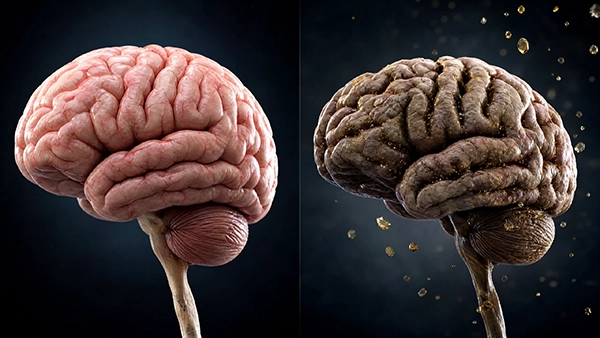
Don’t worry! Most of us experience these exact states from time to time. You are likely just carrying a heavy load of stress. To be fair, stress isn’t always a destructive force in our lives. When we are facing a high-stakes challenge or preparing to step up and speak in front of a crowd, a surge of stress can grant us extra energy or help us lock into a razor-sharp focus. But when stress refuses to lift—when it settles in and becomes chronic—it begins to fundamentally rewire our brains. Ongoing, chronic stress can alter the brain’s very size, its intricate structural architecture, and even the way it functions down to the genetic level.
The Biological Cascade: The HPA Axis and Cortisol
Stress sets into motion through a complex pathway known as the hypothalamic-pituitary-adrenal (HPA) axis—a specialized network of communication between endocrine glands in the brain and the kidneys that governs the body’s physical reaction to stress. The moment the brain detects a threatening or high-pressure situation, the HPA axis springs into immediate action, commanding the body to release cortisol, the primary hormone that gears us up for sudden, decisive action.
However, when cortisol levels remain stubbornly elevated over a prolonged period, it begins to take a heavy, damaging toll on the brain:
- The Hippocampus (Learning & Memory): Sustained high levels of cortisol disrupt the delicate electrical signals within the hippocampus—the crucial brain region linked directly to learning, memory formation, and stress regulation. Consequently, chronic stress makes acquiring new information and retrieving old memories a frustratingly difficult task.
- The Prefrontal Cortex (Executive Function): Cortisol negatively impacts the synaptic connections between neurons, which can actually cause the prefrontal cortex—the command center of the brain that controls complex behaviors like decision-making, planning, concentration, and judgment—to physically shrink.
- Neurochemical Imbalances & Sleep Disruption: Chronic stress alters the baseline levels of essential neurochemicals that regulate human cognition and mood, including serotonin (often called the happiness hormone). This biochemical shift can deliver a heavy blow to psychological well-being. Furthermore, because stress hormones play a vital role in regulating sleep architecture, sustained high cortisol levels block restorative sleep and throw our internal biological clocks (circadian rhythms) completely out of sync.
Reclaiming Control: How to Combat Chronic Stress
The comforting truth is that chronic stress is neither an insurmountable obstacle nor a permanent life sentence. There are powerful, proven pathways to help us navigate and overcome it:
- Exercise and Meditation: Physical activity and mindfulness practices stand out as two of the most potent coping mechanisms available. Both actively slash stress levels and have been scientifically shown to physically increase the size of the hippocampus, meaning they can actively enhance and protect your memory.
- The Power of Connection: Another vital lifeline is reaching out and leaning on your social circle—whether that means family members, trusted friends, or a romantic partner. Spending quality time with loved ones when stress weighs heavy on your shoulders provides a profound sense of grounding and emotional relief.
Never feel as though you are helpless beneath the unyielding pressure of daily life. Do not let stress control you; take the reins and control your stress.
Above all, the most dangerous mistake you can make when facing chronic stress is to do nothing at all—sitting back and passively hoping it will magically vanish on its own. Early recognition, proper diagnosis, and effective support are the absolute keys to achieving satisfying outcomes and reclaiming your vibrant health.
Wishing you healthy, peaceful, and happy days ahead.